
UK’s Rwanda Bill Becomes Law: Which African Nations Are on the “Illegal” List and Why?
In a landmark move that has intensified the global immigration debate, the United Kingdom’s controversial Rwanda Act has received Royal Assent, officially becoming law. The policy, a cornerstone of the current government’s agenda, aims to deter illegal immigration by relocating some asylum seekers to Rwanda for processing and potential resettlement.
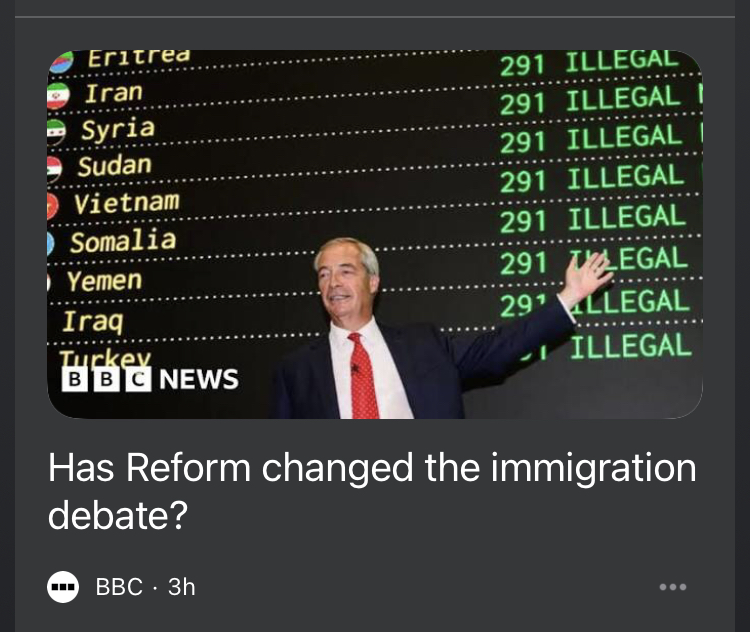
A recent BBC News report highlighted a crucial aspect of the policy’s implementation: the classification of certain nationalities. The report listed several countries, including Eritrea, Iran, Syria, Sudan, Vietnam, Somalia, Yemen, Iraq, and Turkey, with the stark label “291 ILLEGAL.” This figure is understood to represent the number of asylum seekers from these nations who were recently identified for removal to Rwanda under the new law.
Decoding the “Illegal” Designation
The label “illegal” in this context refers to individuals who have arrived in the UK through what the government defines as “illegal means,” such as crossing the English Channel in small boats without prior authorization. The policy explicitly states that anyone entering the UK by these routes, regardless of their country of origin or the validity of their asylum claim, is subject to removal to Rwanda.
The inclusion of several African nations on this list—Eritrea, Sudan, Somalia—is particularly significant. These countries are often sources of refugees fleeing well-documented conflicts, political persecution, and humanitarian crises.
- Eritrea: Known for its indefinite national service and lack of political freedoms, leading to a steady outflow of refugees.
- Sudan: Currently embroiled in a devastating civil war that has displaced millions.
- Somalia: Continues to face instability, terrorism, and climate-induced hardships.
The Core Question: Has Reform Changed the Debate?
The BBC’s headline question, “Has Reform changed the immigration debate?” points to the profound political impact of the policy. The UK government argues that the Rwanda scheme is a necessary and tough measure to break the business model of human smuggling gangs and regain control of the borders.
However, the policy has faced fierce international criticism from the UNHCR, human rights organizations, and legal experts. Opponents argue that it violates international refugee law, offloads the UK’s responsibilities onto a developing nation, and risks returning genuine refugees to dangerous situations.
The debate is no longer just about border control; it has evolved into a complex discussion about international legal obligations, the ethics of offshore processing, and the UK’s role in the global protection system.
Implications for Africa and International Relations
The Rwanda policy has direct implications for Africa:
- Rwanda’s Role: Rwanda has positioned itself as a key international partner for the UK. The deal involves significant British investment in Rwanda’s economic development. This partnership is being watched closely by other nations as a potential model for similar agreements.
- Asylum Seekers’ Fate: For asylum seekers from the listed African nations, the policy creates immense uncertainty. Their claims will now be adjudicated in Rwanda, not the UK, a process fraught with legal and practical challenges.
- Diplomatic Relations: The classification of citizens from sovereign nations as “illegal” for the purposes of removal is a sensitive diplomatic issue. It remains to be seen how the governments of the listed countries will respond to this very public designation of their citizens.
A New Precedent
The implementation of the UK-Rwanda policy sets a new and contentious precedent in global migration management. As the first flights prepare to take off, the world will be watching to see if the policy achieves its stated goals of deterrence, or if it instead triggers a new series of legal and humanitarian challenges.
The story is rapidly developing, and its outcome will undoubtedly shape immigration debates in Europe and beyond for years to come.
For AYROTV.com, we provide analysis on the policies and events that impact Africa and its people on the global stage.