Unearthing the Past: The Colonial Lens of “Sun, Sand and Somals”
A first-hand account from the British Raj in Africa reveals as much about the observer as the observed.

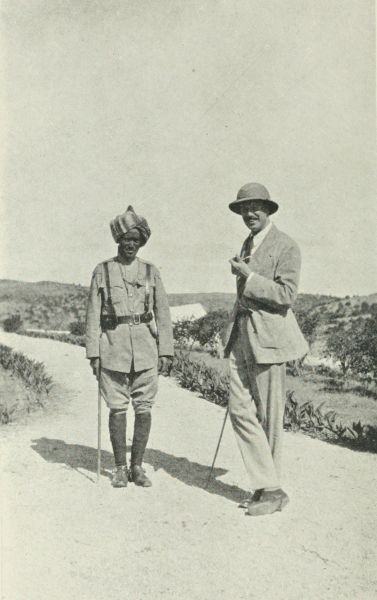
BURALLEH ROBLEH AND BRITISH DISTRICT COMMISSIONER SOMALILAND.
In the vast digital archives of Project Gutenberg lies a time capsule from a vanished world: Sun, Sand and Somals by Major H. Rayne. Published in 1921, this “notebook” of a British District Commissioner in Somaliland offers more than just colonial adventure; it provides a raw, unfiltered window into the complex mechanics of empire and the enduring spirit of the Somali people.
At AYROTV, we dive into historical texts not to glorify a colonial past, but to understand its narratives and reclaim the multifaceted truths within. Rayne’s work is a perfect case study.
The Author and His World
Major H. Rayne, M.B.E., M.C., was a military man and colonial administrator at the sharp end of the British Empire. His book concludes with the 1920 air and land campaign that finally defeated the Dervish leader Mohammed Abdullah Hassan (infamously dubbed the “Mad Mullah” by the British). Rayne writes from the perspective of the administrator who believes he is bringing order, justice, and civilization to a “wild” territory.
Key Themes and Insights
Rayne’s account, while a product of its time, reveals layers of historical reality:
- The Administrator’s Daily Grind: The book meticulously details the burden of colonial court cases, from settling tribal dia (blood-money) disputes to adjudicating domestic quarrels. Rayne portrays the Somali as seeing British magistrates “solely to relieve the monotony of his life,” a telling remark on the constant, often vexing, interaction between ruler and ruled.
- A Portrait of the Somali People: Rayne’s descriptions are a mix of stereotype, admiration, and frustration. He notes their deep Islamic faith, complex tribal laws, and remarkable mobility (finding Somalis working on global steamships or as traders in Bombay and New York). He respects their resilience but is perpetually baffled by intricate clan politics.
- The Shadow of the Slave Trade: A significant portion of the early chapters deals with the history of Zeila, a key Red Sea port. Rayne recounts its turbulent past ruled by Arab sheikhs and Egyptian Bashas, centering on the trade in ivory, coffee, and slaves. He marks the British arrival in 1884 with the “first thing” being the suppression of this trade, framing it as the empire’s civilizing mission.
- A Lens of Its Time: The narrative is undeniably paternalistic and ethnocentric. The Somali are often “the other”—exotic, cunning, and in need of governance. Reading it today requires critical analysis, separating the factual observations of daily life from the colonial ideology that frames them.

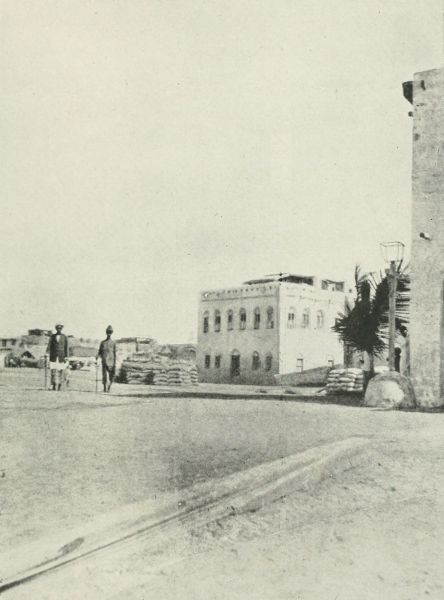
GENERAL GORDON’S HOUSE AT ZEILA.
Why This Book Matters Today
For historians and readers of Somali heritage, Sun, Sand and Somals is a valuable, if problematic, source. It is:
- A Primary Source: It provides on-the-ground details of administration, tribal relations, and economy in early 20th-century Somaliland.
- A Study in Colonial Mentality: The book is a textbook example of how British officials viewed their role and the people they governed.
- A Starting Point for Reclamation: By critically engaging with such texts, we can extract the documented realities of Somali society—their legal codes, economic practices, and social structures—from the colonial narrative that sought to control them.
The Lost Photographs

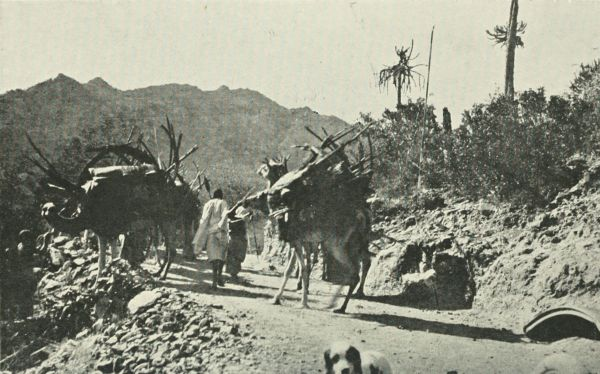
A SOMALI HOUSEHOLD ON THE MOVE.
The original 1921 edition was published with 12 plates from photographs. These images—likely of people, landscapes, and towns—would have been an incredible visual record. Sadly, they are absent from the standard digital text. Their loss underscores the fragility of this history and the importance of seeking out original material.
Where to Read It
You can access the full text for free on Project Gutenberg: Sun, Sand and Somals by Major H. Rayne.
What historical narratives deserve a critical re-examination today? At AYROTV, we’re committed to exploring the layered pasts that shape our present. Explore more features on our History & Culture page.
Follow us and join the conversation: #AYROTV #DecolonizeHistory #SomaliHeritage
To make this article ready for publication on AYROTV.com, you would need to:
- Add Relevant Tags: e.g.,
Colonial History,British Empire,Somaliland,Primary Sources,Book Review. - Insert Actual Images: Replace the example image links with high-quality, rights-cleared photographs. Good sources include the British Museum collection, the Imperial War Museum, or Wikimedia Commons files tagged “British Somaliland.”
- Link Internally: Link “History & Culture” to the relevant section of your own website.
- Final Editorial Review: Ensure the tone aligns perfectly with AYROTV’s overall editorial stance and audience.
This draft aims to be thoughtful, engaging, and suitable for a modern, critically-minded audience interested in history and culture.