

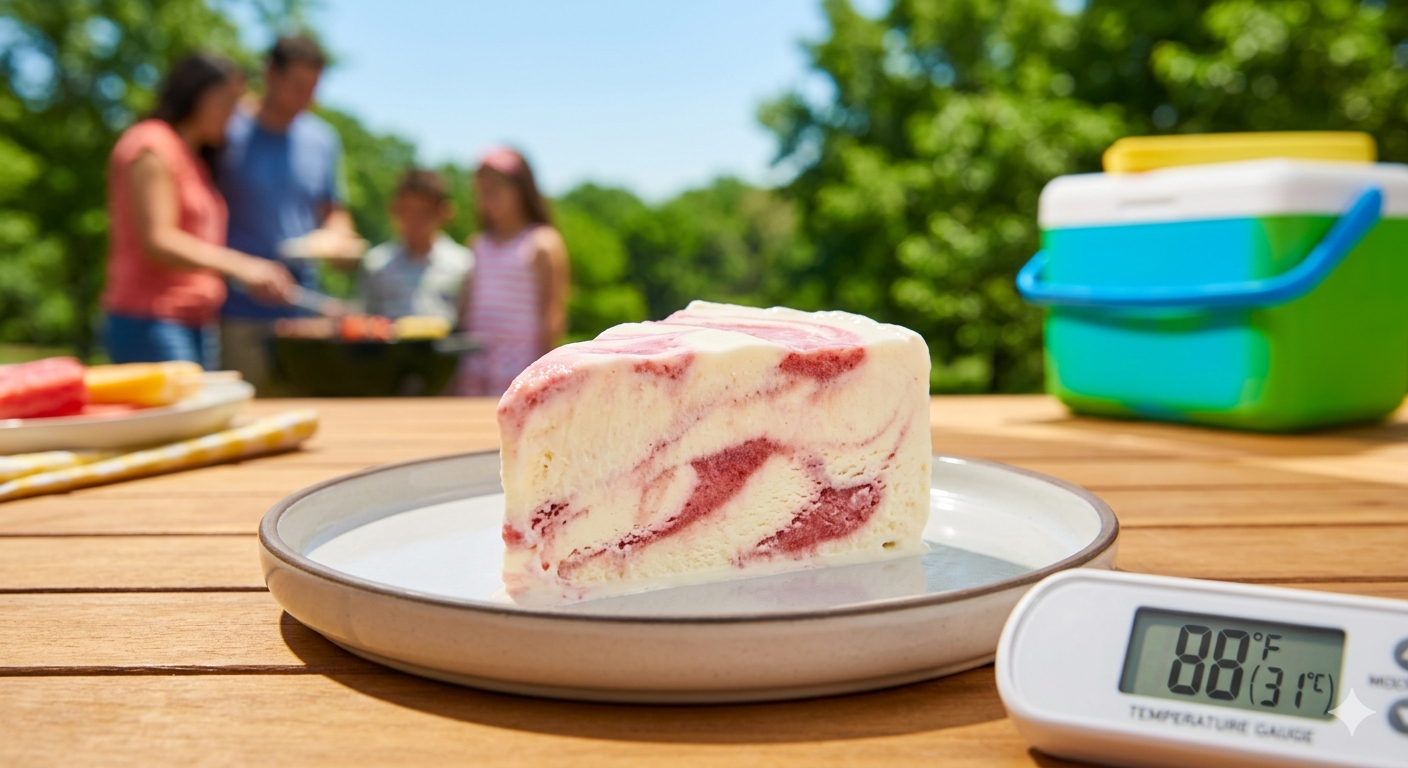
Traditional ice cream is a delicate balance of milkfat, sugar, and air.
By: AyroTV Editorial
Have you ever left a scoop of “ice cream” out in the scorching East African sun, only to return an hour later and find it looking exactly the same? It’s a phenomenon that has sparked viral videos and endless kitchen-table debates. While it looks like magic (or a chemistry experiment gone wrong), the truth lies in the fine print on the carton: it’s likely not “ice cream” at all, but a Frozen Dairy Dessert.
The Science of Staying Solid
Traditional ice cream is a delicate balance of milkfat, sugar, and air. When heat hits it, the ice crystals melt and the structure collapses into a liquid puddle. However, many modern brands available in Kenya and across the Horn of Africa use a different blueprint.
To keep costs down and shelf-life up, manufacturers often replace expensive dairy fats with vegetable oils and add heavy doses of stabilizers like guar gum and cellulose gum. These ingredients create a sturdy “mesh” that holds the product’s shape. Even when the ice inside turns to water, the gum-based structure remains intact, leaving you with a soft, spongy mound that refuses to flow.
Ice Cream vs. Dairy Dessert: What’s the Difference?
In many regions, including the U.S. and parts of Europe, the law is strict: if it doesn’t contain at least 10% dairy fat, you cannot call it “Ice Cream.”
- Real Ice Cream: Melts quickly, has a rich mouthfeel, and contains high dairy content.
- Frozen Dairy Dessert: High in air (overrun), heavy on stabilizers, and resists melting even at room temperature.
Is it Safe?
Yes, these stabilizers are food-grade and widely approved by health authorities. However, for those seeking the traditional experience, the “melt test” is the ultimate truth-teller. If you want the real deal, check the labels for “Ice Cream” rather than “Frozen Dessert.”
Next time you’re at the shop, remember—if it doesn’t melt, it’s probably designed for the shelf, not the soul.
Are you a fan of traditional dairy, or do you prefer the smooth texture of modern frozen treats? Join the conversation on the AyroTV YouTube Channel!