Title: “The Untold Legacy: How Islam Shaped Somali Identity Through Centuries of Resistance”
By Eng Muude, Historical Analyst
Introduction
A newly uncovered historical document reveals fascinating insights into Somalia’s pre-Islamic roots and its transformation into the Muslim nation we know today. The text, written in Somali, traces how clans, cultural practices, and wars against Ethiopian empires forged a unique Islamic-Somali identity that endures to this day.

1. From Waaq to Allah: The Islamic Revolution in Somali Culture
The document details how:
- Pre-Islamic Somalis worshipped Waaq (a sky deity), with clan names like Vaaamahalle and Varwaan reflecting this heritage.
- Rituals like animal sacrifices for births (“Xoolaha marka caruurtu dhashaan ayaanka loo qayli jiray”) were repurposed for Islamic practices.
- Marginalized groups like the Yibir (traditionally associated with spiritual crafts) became outcasts under Islamic social structures.
Key Quote:
“Samale Hill waa lagu bedelay ‘Sanna-Alle Hill'” – Showing how ancestral names were Islamized post-conversion.
2. The “Gaal” Misconception: A Linguistic Reclamation
The text debunks colonial-era myths:
- The term “Gaal” (often translated as “infidel”) originally meant “geel” (camel herder), not an ethnic slur against Oromos.
- Place names like Gaalhagoog and clan names (Gaaljecel) prove its Somali roots.
- Anecdotes show how Somalis used it internally to mock non-observant Muslims (“Ma gaalbaa tahay?” – “Are you a camel?”).
Why It Matters: This challenges foreign narratives that framed Somali identity through colonial lenses.
3. Warriors of Faith: Imam Ahmed Gurey and the Anti-Colonial Jihads
The document highlights:
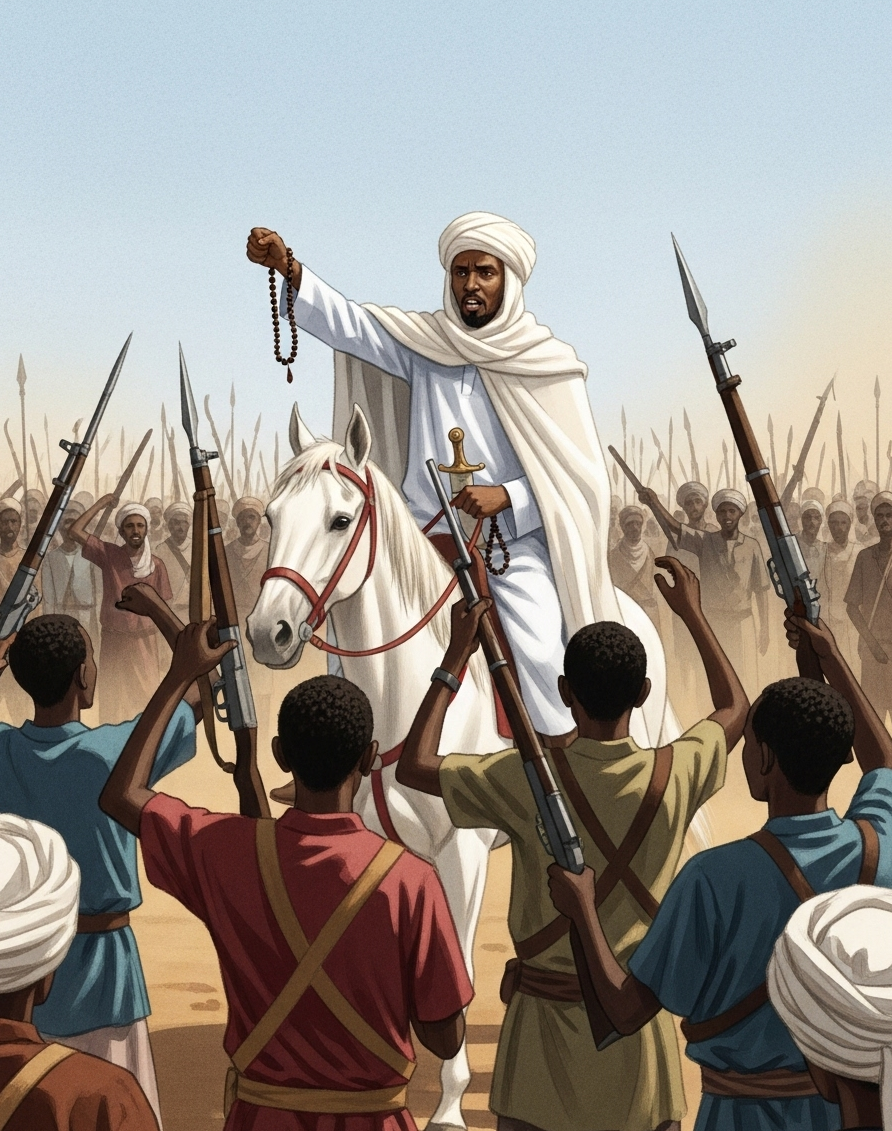
- 16th-century resistance against Ethiopian (Xabashida) expansion, led by Imam Ahmed Gurey. His use of Ottoman firearms united clans under Islam.
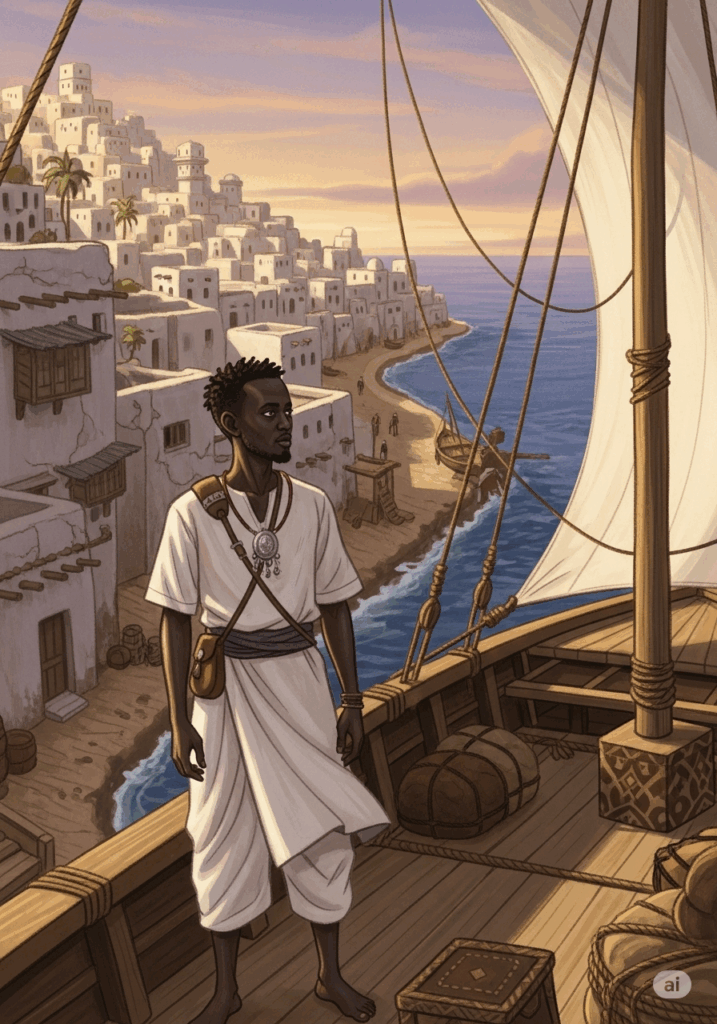
- Portuguese defeats: Failed invasions of Barawa (1507) and Mogadishu due to Somali coastal defenses.
- The proverb “Jalam li’ was Soomaalining li’” (“Islam and Somalihood are twins”) that emerged from these struggles.
Historical Parallel: Like today’s Al-Shabaab rhetoric, but rooted in legitimate defense against Christian empires.
4. The Lost Kingdoms: Awdal, Ajuran, and the Fight for Unity
Before European colonialism:
- The Awdal Sultanate (led by the Walashma dynasty) ruled parts of Ethiopia and Somalia, resisting Ethiopian king Amda Seyon’s invasions.
- Ajuran Empire pioneered hydraulic engineering and maritime trade while battling Portuguese fleets.
- The document laments how colonial borders (“Gacanka Cadmeed”) fractured these Islamic states.
5. Lessons for Modern Somalia
The text suggests:
- Islamic-clan synthesis: Successful leaders like Imam Gurey blended clan loyalty with Islamic unity.
- Language as resistance: Reclaiming terms like “Gaal” counters foreign misinterpretations.
- Warning: Internal divisions enabled external domination – a lesson relevant to today’s political fragmentation.
Conclusion: “A Blueprint for Somali Renaissance?”
This document isn’t just history – it’s a mirror. As Somalia grapples with extremism, clanism, and foreign interference, its ancestors whisper solutions: Unity through Islam, resilience through culture, and sovereignty through self-awareness.
Call to Action
- Should Somali schools teach this untold history?
- Can Imam Ahmed Gurey’s model inspire modern leadership?
- Share your views with #SomaliLegacy on AyrOTV’s social platforms.
Audio book listen here,